Strange Land
LOPPED TREES, EAST HAMPTON
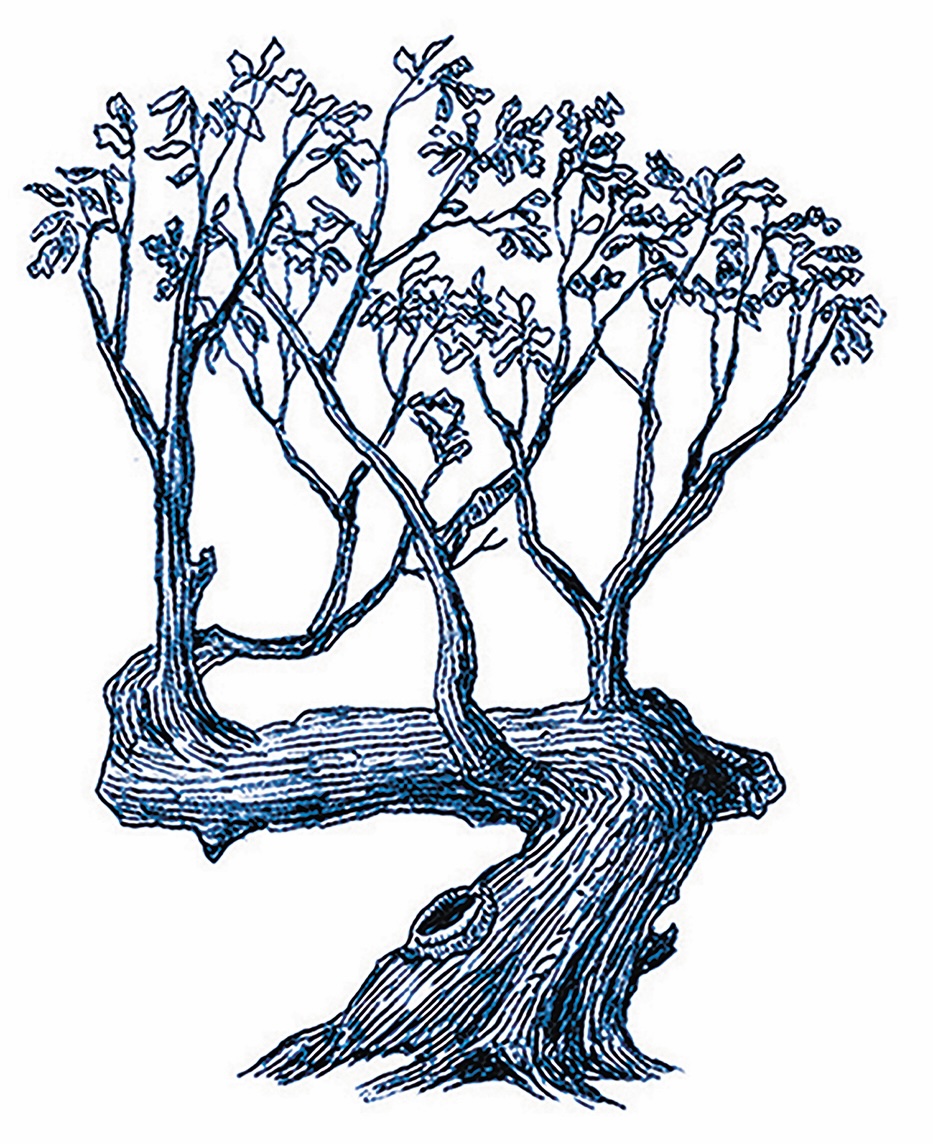
If you’re driving around Springs or Northwest Woods and notice a peculiar tree stump bent at a 90-degree angle, you may be looking at a lopped tree — a remnant of early settlers’ practice of partially cutting and bending young trees to form living walls. By keeping the tree alive and growing horizontally, a farmer could integrate vines and shrubs to form long-lasting livestock fencing. Look for lopped trees on the sides of major roads like Springs-Fireplace and Three Mile Harbor roads in Springs, and Swamp and Northwest roads in Northwest Woods.
The Sunken “Brain” Rock, Montauk
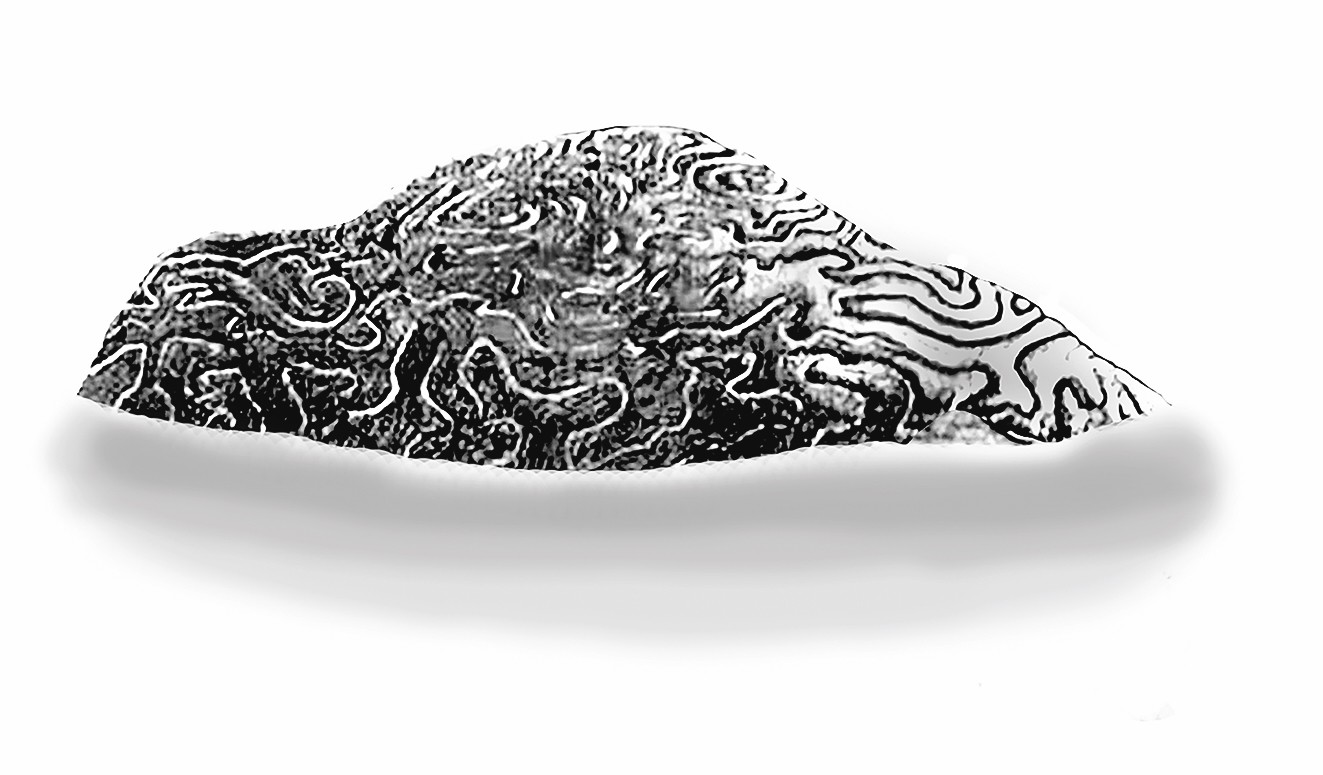
A mysterious carved stone, wrinkled like a brain, reveals itself at low tide on a lonely stretch of Montauk cove. The enigmatic and labyrinthine rock art was carved — alongside other, less notable rocks — by the Japanese-born sculptor Ken Hiratsuka in the early 2000s. It sits just a few feet off the beach, almost directly below the cliff-top house of the late photographer Peter Beard. Locating it isn’t easy: Accessing the cove requires a long walk, and the rock is covered in dense seaweed.
Camera Obscura, Greenport
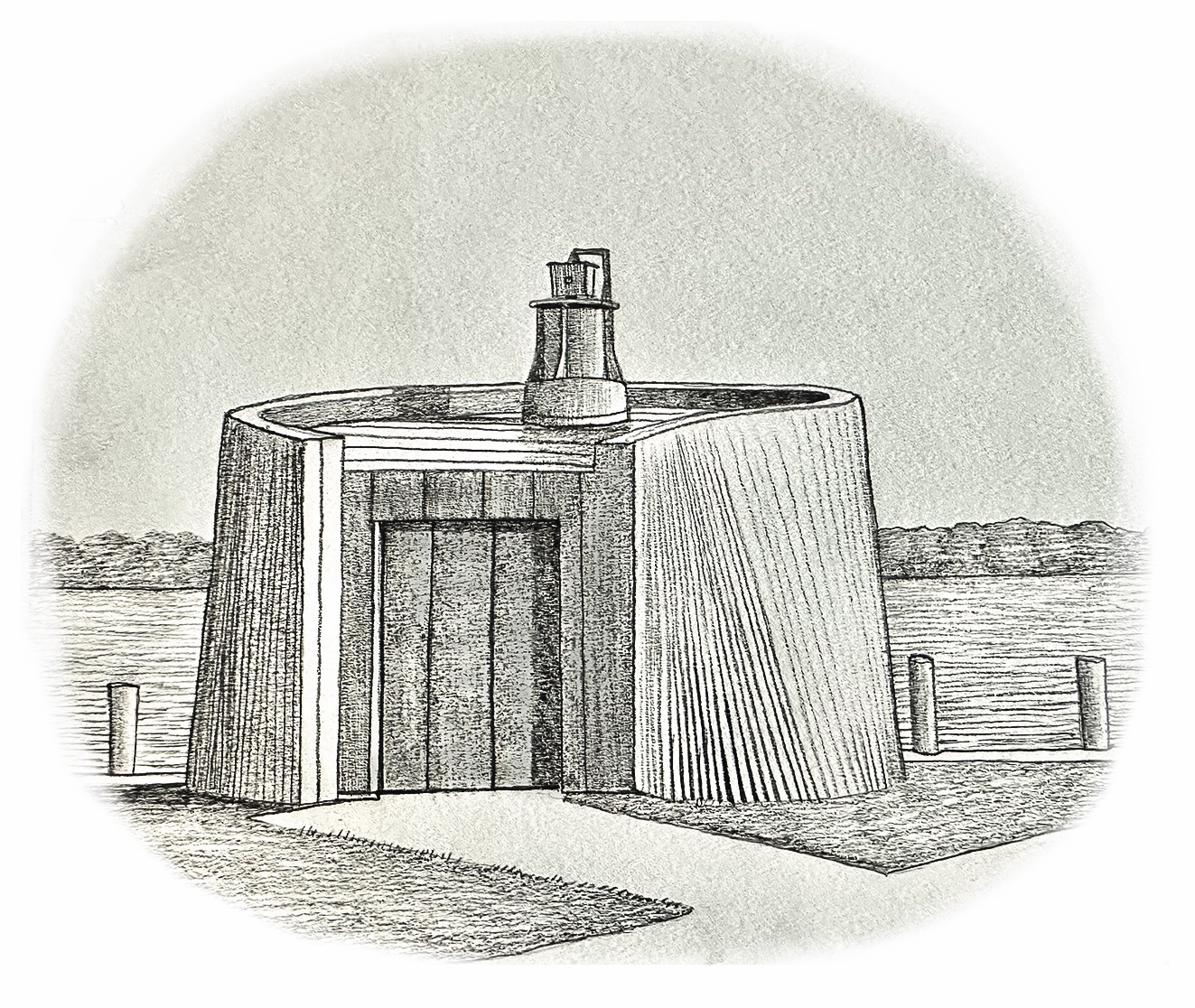
One of only a handful in the country, Greenport’s camera obscura is housed in a sleek, modern building on the harborfront. The rare, room-size device projects light from a periscope-like lens, which can be rotated 360 degrees to capture the surrounding landscape, producing a vividly sharp panoramic display in real time. The camera obscura was invented in the 15th century and, according to some art historians, was adopted by artists such as Leonardo da Vinci and Vermeer. It produces surprisingly crisp visuals even by today’s standards. Greenport’s camera obscura is usually open on Wednesdays and weekends, but you may have to inquire at the nearby marina’s office for a volunteer with a key to let you in and give you a demo.
The Cabin on Taylor’s Island, Shelter Island
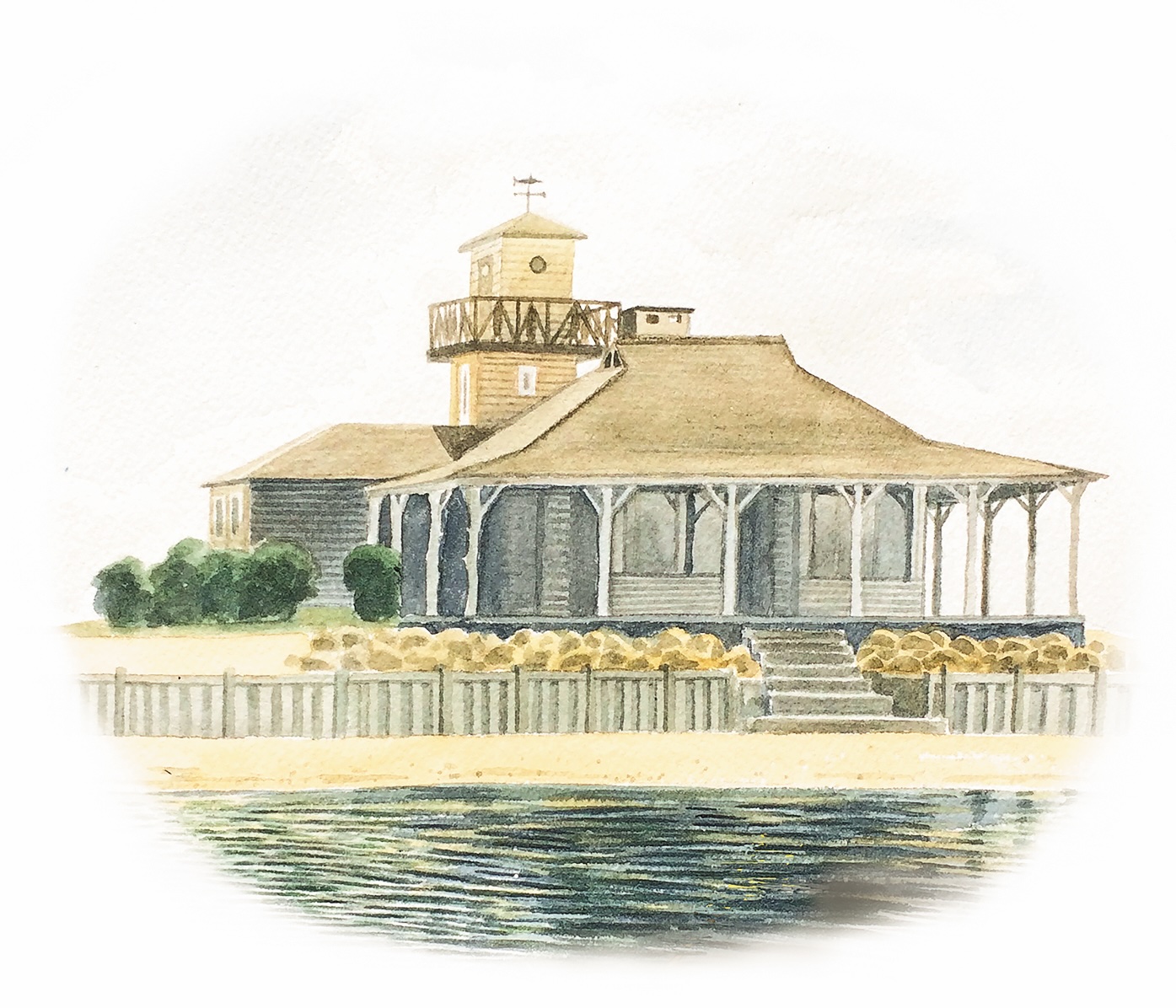
An island within an island: a small tombolo in Coecles Harbor — formerly known as Cedar Island and now as Taylor’s Island — is home to a whimsical, fairy-tale log cabin built by a titan of industry, Francis Marion Smith (a.k.a. the “Borax King”) around 1900, and donated to Shelter Island by the following owner, S. Gregory Taylor, in his will. The rustic cabin features folksy, fishing-themed decorations, and can be visited by appointment and booked for overnight stays.
Redwood Grove of LongHouse Reserve, East Hampton
Many know the LongHouse Reserve — home, museum, and sculpture garden of the late textile design legend Jack Lenor Larsen — but few know that within the garden you can experience a small piece of the Pacific Northwest: a grove of seven well-established coast redwoods (sequoia sempervirens), members of the tallest tree species on Earth. Some say that it is the largest and most mature collection of such trees on the East Coast. Though the trees are still quite small by redwood standards, these specimens could grow to well over 200 feet tall, given enough time. You can visit the grove on the outermost trail of the reserve, with admission during open hours.
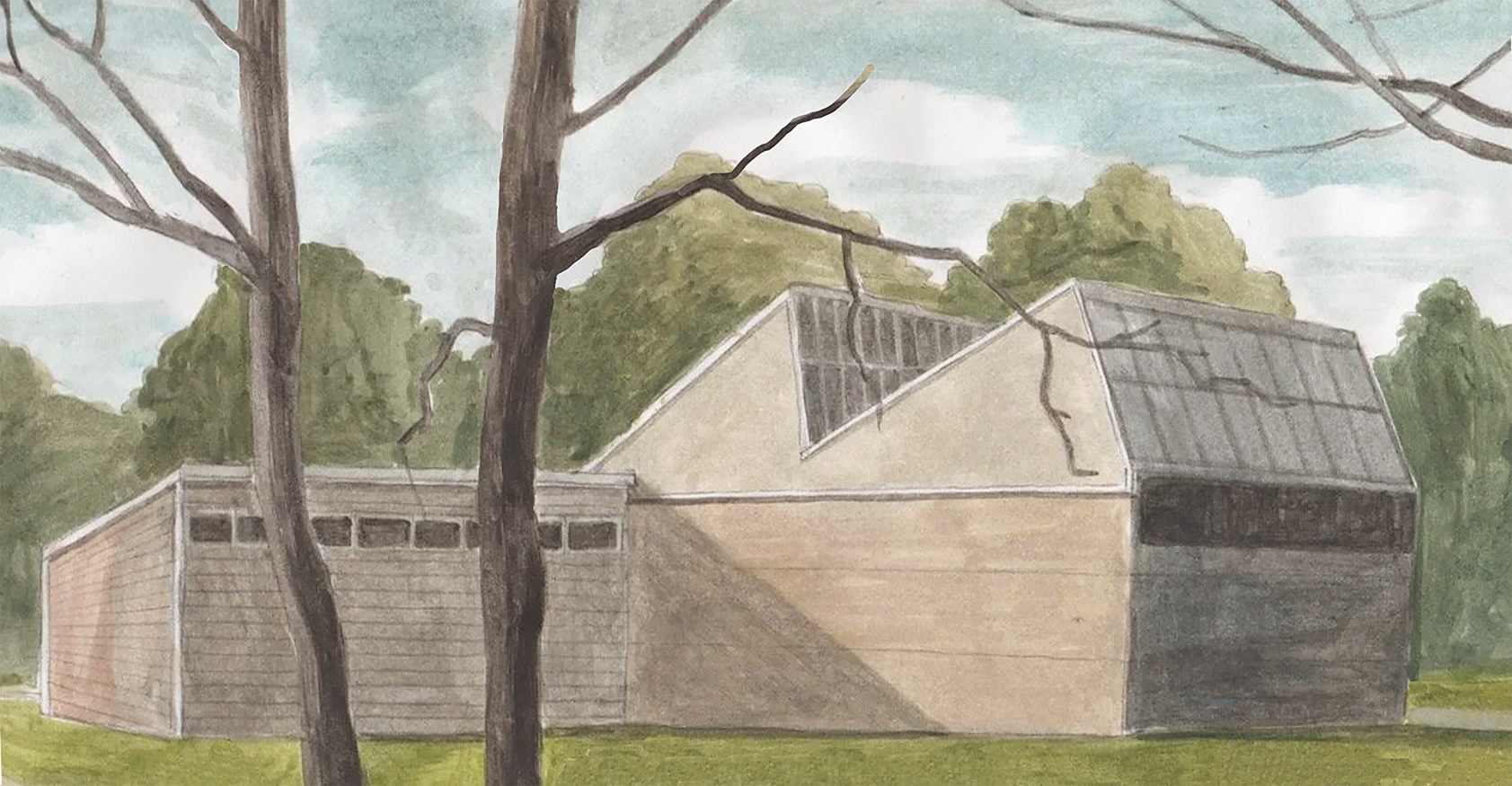
Brooks-Park Site, Springs
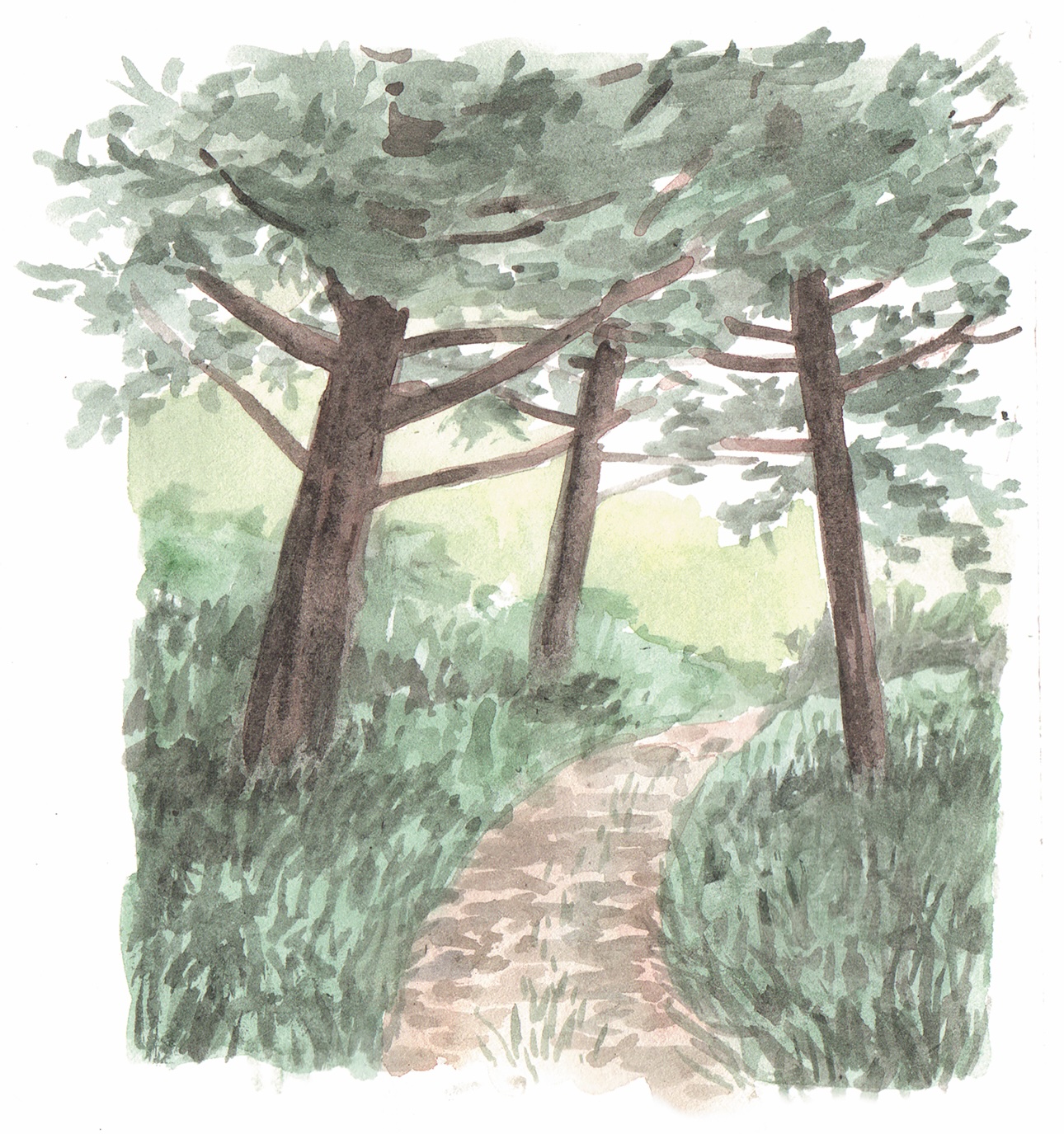
James Brooks and Charlotte Park, first-generation Abstract Expressionist painters and good friends of Jackson Pollock and Lee Krasner, shipped their house from Montauk to a quiet corner of Springs after a bad hurricane in 1954. The duo established their own individual studios — his an industrially inspired, light-filled space with a distinctive sawtooth roof, hers a repurposed shack that some claim had originally been Wainscott’s first post office. After both Brooks and Park died without heirs, East Hampton Town bought their property with the aim of creating open space, but the plan halted after pushback from several preservation-minded individuals. Now in 2026, the property lies in semi-limbo, with talks of the creation of a new cultural center that honors the former inhabitants’ ethos of creating art in nature. The site, including the dilapidated, fenced-off buildings, is part of an existing trail system that can be accessed off Neck Path. But beware — it is quite ticky.