
A Secret Tea Garden in Sagaponack
Thayer, in Sagaponack, is a surname associated with roots. These roots run deeply through the fertile layers of soil so valuable it’s often called “Sagaponack gold” for the bounty of vegetables, fruits, flowers, and herbs that spring up in abundance when cultivated the right way. Farming in one form or another might as well be a genetic predisposition passed down the generations.
For Mimi Thayer, it’s not about tractors and tomatoes — the primary crop her grandfather Dick Thayer grew on the land where she now lives — but about artisanal teas and edible flowers. For the last 12 years, in her backyard off Sagg Main Street, Thayer has poured hours and hours of care, feeding, and weeding into a forest of leafy herbs, flowers, and vegetables. She recently began opening her garden up for what she calls “communitea”: Guests, a handful at a time, come for guided meditation, the healing sounds of singing bowls and a gong, and tastings of the tea she has grown, harvested, and dried herself.
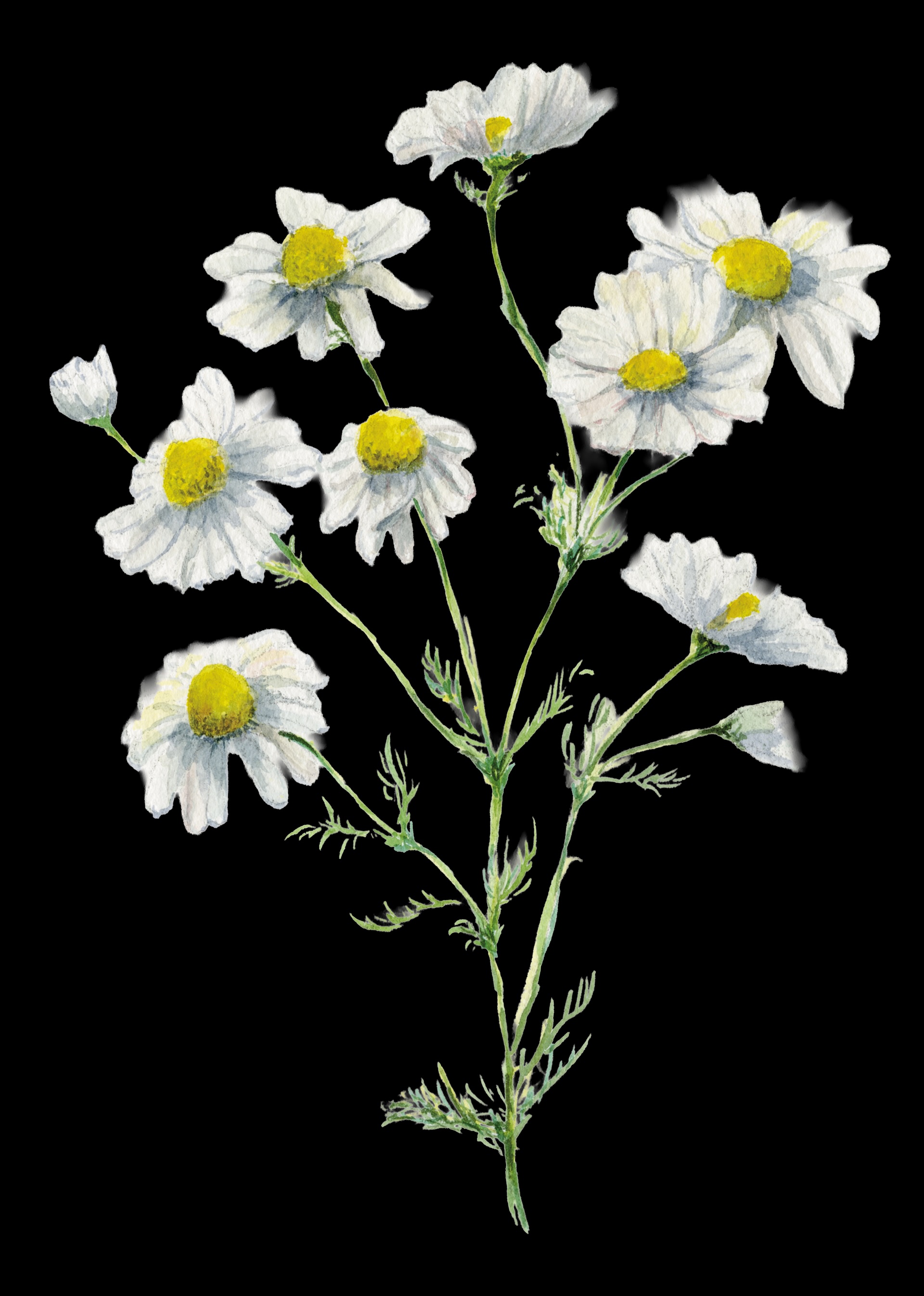
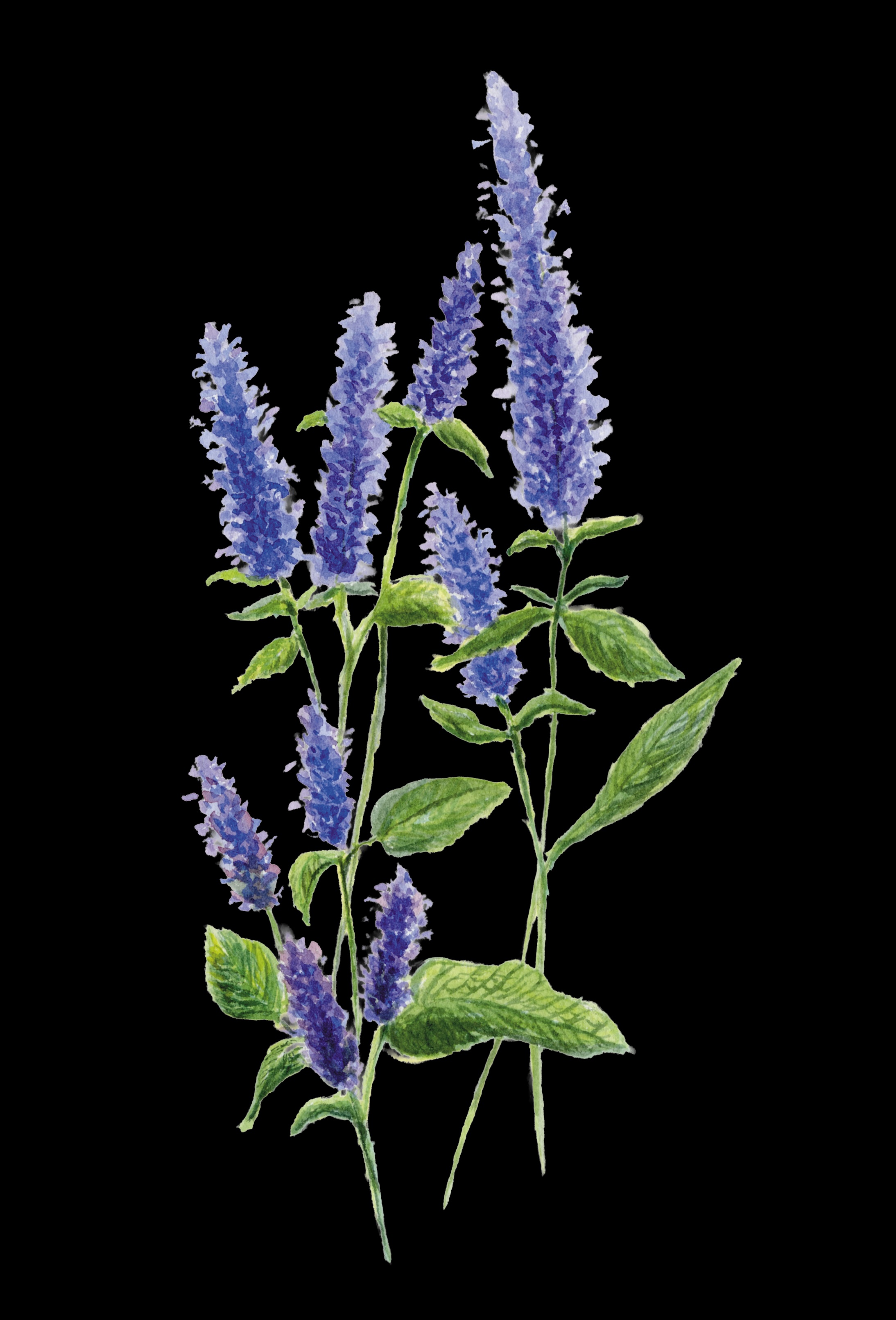
Welcome to MerSeá Gardens. On a recent midsummer morning, a pair of enthusiastic golden retrievers greeted a visitor at the wooden gate separating Thayer’s paradise from the rest of the world. Its name is drawn from the first letters of her first name, Meredith, and her husband’s name, Sean Scally Jr., as a nod to their shared Irish heritage. The table is set with sweating pitchers of two iced teas, holy basil (tulsi) and anise hyssop, and — despite the heat wave bearing down — a hot tea, brewed French-press style, consisting of rose, chamomile, lavender, and mint. Thayer calls the latter blend “Sacred Feminine Tea.”
But first, a tour. Thayer leads her guests into the lush garden and proceeds to pick nasturtiums, bachelor buttons, borage, gem marigolds, violas, and wild arugula to taste. Snap peas harvested in the moment are a palate cleanser between snips of lemon verbena, lemongrass, cinnamon basil, and chocolate mint. Grapes have taken over a fence that’s been successful at keeping the deer away; birds are another story, so the clusters of fruit are secured in mesh bags with tiny, shiny disco ball ornaments hung here and there to discourage dining. To build this garden, Thayer and Scally removed a pre-existing deck and patio. Their garden beds are built with repurposed bluestone from a pool that used to be there as well.
“Here and there we’d have to buy a post or two, but it’s all left over from my father’s work,” Thayer says.
Dragonflies and bees flit, feed, and hover, the signs of a healthy environment. Thayer uses organic seaweed and lobster compost to fertilize. She doesn’t use any pesticides; the only spray she relies on is her own molasses-and-water mixture that wards off pests naturally with beneficial microbes and trace minerals. “It’s an older method,” she says.
For Thayer, the garden is both intentional and accidental in its evolution. “I started out growing herbs, some I didn’t even necessarily like, but I started growing them for myself,” she says. “People started to ask if they could buy them.”
Though each plant varies, Thayer’s process of creating tea from herbs generally goes like this: picking, stripping and separating the useful parts, drying, jarring, vacuum-sealing, and marking the date. Some get crushed after they are dried, which “releases more aromatic effects,” Thayer says. “I save that for when I’m prepping tea for a class or making tea bags.”
Her blends include Immunitea (echinacea, mint, and thyme); Calm Muscle Relaxer (lavender stalk, calendula, and lemongrass); Lemon Bliss (lemon verbena, lemon balm, lemon thyme, and lemon basil); and Lemon Relaxer (lemon verbena, lemon thyme, and chamomile). She also offers single-herb options based on what she grows.
The plants speak to her. “I’m not hearing voices,” she quickly clarifies, “but I’m paying attention.”
The tea speaks to those who taste it, too. With every sip it whispers, “Someone cares enough to grow this and share it with you.” The iced anise hyssop tea is strong and tastes like sweet licorice, while the holy basil tea is lighter, earthy, and quite refreshing. The hot tea (Thayer’s Sacred Feminine blend) is so enjoyable that it goes down easily in spite of the heat.
Thayer’s teas and edible flowers are available at Gosman’s Market in Montauk and a variety of farm stands across the area. Tea lovers can also visit her Instagram page, @merseagardens, to buy directly and learn about her events.
There’s one healing elixir that goes unsaid, but underlies all of this: communing with nature. Science suggests that gardening is a tonic for depression.
“It brings me joy to be with all the plants,” Thayer says. “It’s calming. It makes me excited for life.”